Therapy for Children
Children do not always have the words for what they are feeling. They show it in their behavior, their reactions, their silences, and their outbursts. This service helps parents and children understand what is happening beneath the surface, and builds a path toward emotional health that the whole family can carry forward.
About the service
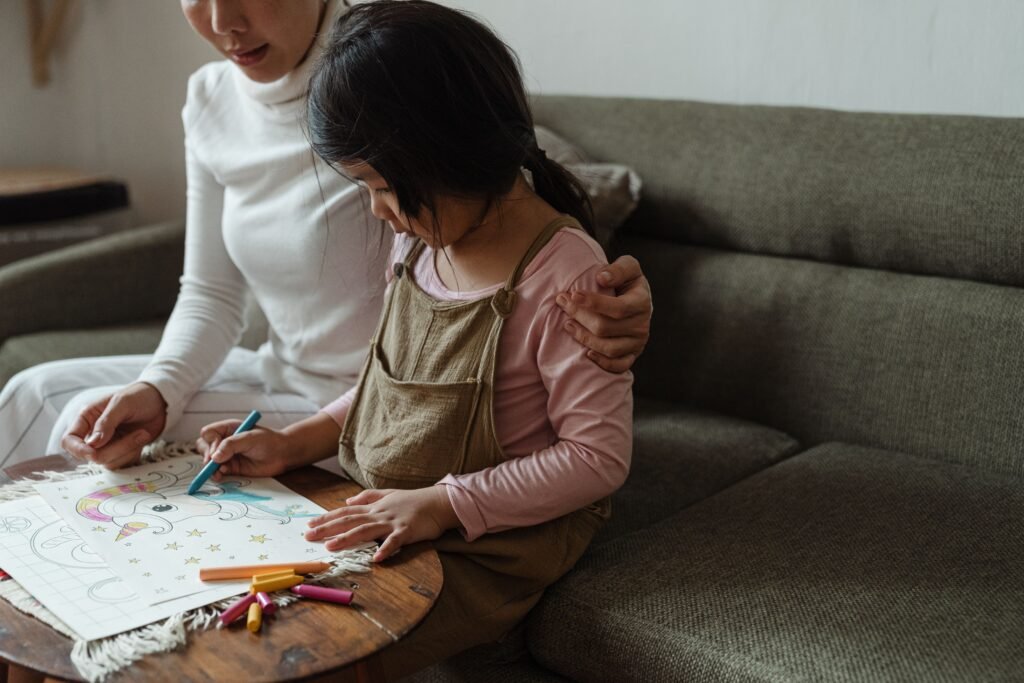
Child therapy at the Coreano Theory is built around one foundational principle: the child cannot be understood in isolation. Their environment, their relationships, and the adults around them are inseparable from what they are experiencing. For that reason, every session involves the parent or legal guardian as an active participant. The parent is not a bystander. They are a core part of the work.
Before sessions begin, parents complete a detailed pre-assessment covering the child’s daily routines, behavioral patterns, emotional responses, how discipline is handled in the home, and what the child has been exposed to. That information shapes the entire therapeutic plan. Sessions are 50 minutes, held weekly, and follow the Coreano Theory’s minimum 3-month commitment based on the neuroplasticity framework of 22 to 66 days.
What results can I expect?
- You will gain a clear understanding of what is driving your child’s behavior, including the emotional and nervous system patterns that sit underneath it.
- Your child will develop age-appropriate emotional vocabulary and regulation strategies they can use in daily life at home, at school, and in social settings.
- You will leave sessions with practical tools for supporting your child between appointments, making the progress continuous rather than limited to the therapy room.
- The parent-child relationship will shift as both parties develop a shared language for emotions, boundaries, and communication.
One of the most important things to understand about child therapy at the Coreano Theory is that the parent’s presence is not optional. Every session requires a parent or approved responsible adult to be physically present. This is not a formality. It is central to the methodology. Children heal within relationships, and the parent-child relationship is the most important one in the room. The work done here is designed to strengthen that relationship while giving the child the tools they need to grow.