
Family Therapy
The teenage years are when identity forms, pressure builds, and emotions start arriving faster than the tools to handle them. This service gives teenagers a space to understand themselves, at a pace and depth that is right for where they are.
About the service
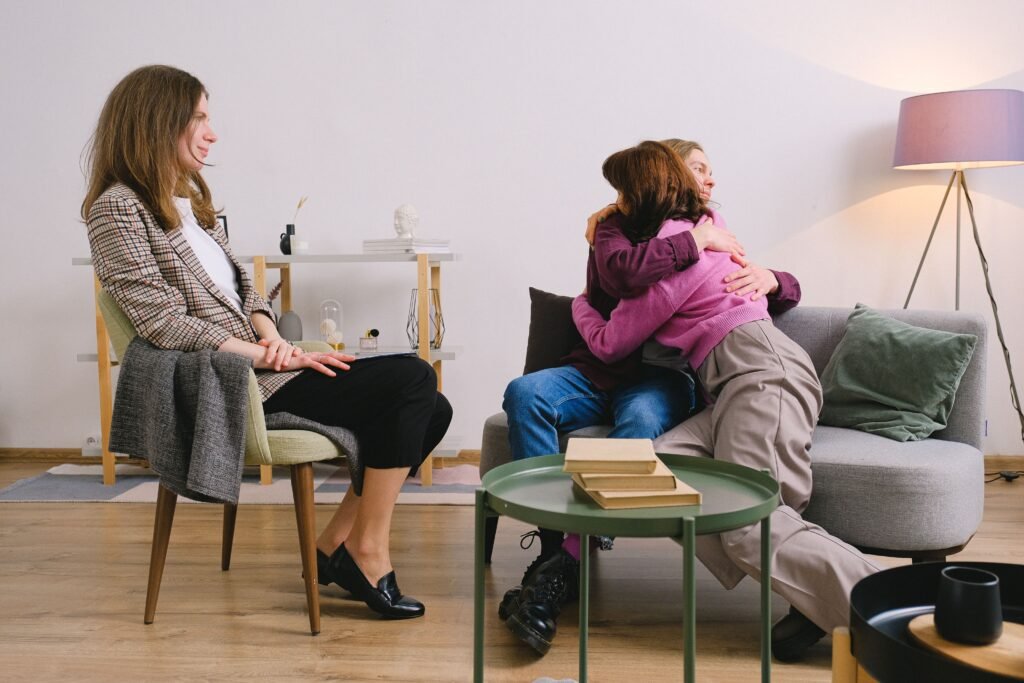
Family therapy at the Coreano Theory brings the whole family into the room and looks at the system they have created together. Every family develops its own emotional culture, the rules about what can be expressed, how disagreements are handled, what roles each person plays, and what gets passed from one generation to the next without anyone ever naming it. This service makes those patterns visible and gives the family the tools to shift them.
Sessions involve all participating family members and are structured around the specific dynamics at play in that family unit. The pre-assessment is completed by the adult members of the family before sessions begin and covers communication patterns, conflict history, individual emotional histories, and what the family is hoping to change. Sessions are 50 minutes, held weekly, and follow the 3-month minimum program commitment. Where a minor child is involved, all provisions for child safety and parental presence apply in full.
What results can I expect?
- The family will develop a shared language for emotions that makes difficult conversations easier to have and less likely to escalate.
- Recurring patterns of conflict will be identified at their root rather than managed at the surface, creating change that lasts beyond the sessions.
- Each family member will leave with individual strategies tailored to their role in the family system and their own emotional patterns.
- Intergenerational patterns that have been repeating across the family’s history can be identified, understood, and consciously interrupted.
One of the most meaningful things about family therapy is that the work belongs to everyone in the room. Every person leaves with something. The insights, the strategies, and the new patterns that emerge in sessions are shared equally across the family, which means the progress does not depend on any one person holding it together. When a family changes how it communicates, the effect reaches further than the people in the sessions. It changes how children grow up, how relationships form, and what gets passed forward.